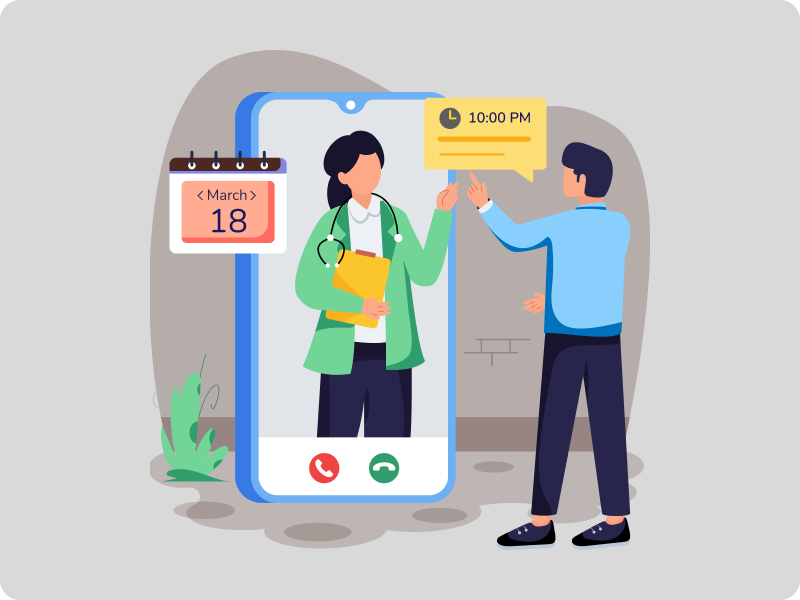
Your Hospital’s Website: Where Every Patient Begins Their Journey
A hospital website is your digital front door. It is often the first-place patients or family members visit when they are looking for trusted care. Before calling or visiting, they check your website to understand your treatments, doctors, facilities and whether they can trust you in an important health moment.
Today, people expect quick answers and an easy experience. They want clear details on specialties, timings, location, insurance and how to book. A well-built website gives them everything in one place and helps them feel confident choosing your hospital.
The Impact of a Good Website
- Builds trust instantly: Patients and families trust hospitals that look organized and professional. A clean website shows transparency and builds confidence even before the first visit.
- Makes your services easy to understand: Clearly explain departments, treatments, facilities, insurance support and basic pricing guidance. This helps people decide faster with less confusion.
- Improves appointment bookings: Online booking lets patients schedule anytime. It reduces calls, lowers missed appointments and keeps your day better organized.
- Enhances visibility on Google: A well-built website helps you appear on Google Search and Maps when people look for emergency care, specialists, scans or surgeries.
- Strengthens patient relationships: Share health tips, doctor schedules, updates and patient guides. This keeps people informed and connected to your hospital.
- Reduces administrative load: Add FAQs, timings, directions, service details and forms so your staff answers fewer repeat questions and focuses more on care.
Key Features of a Good Hospital Website
1. Simple and clean design
A hospital website should feel calm, organized and easy to scan. Use clear headings, short paragraphs and enough white space so pages do not feel crowded. Keep menus simple with labels like services, doctors, book appointment and contact. A clear layout reduces confusion and makes patients feel reassured.
2. Fast loading time
Patients want quick answers and a slow website can make them leave within seconds. A fast site feels easier to use and encourages more people to book appointments. It also supports better visibility on Google. Keep it fast by using optimized images and reliable hosting.
3. Mobile friendly structure
Most visitors will check your website on a phone. If the site is hard to read or buttons are too small, people get frustrated quickly. A mobile friendly website should load fast, fit every screen and make call and booking buttons easy to tap. When mobile experience is smooth, more visitors act right away.
4. Clear and well-organized service sections
Many hospital websites list services, but do not explain them clearly, so patients still feel unsure. Good service pages describe what each department treats, common symptoms and what the visit will include. When this information is clear, patients choose the right department faster and your front desk gets fewer enquiry calls.
5. Leverage AI tools
Modern websites can use simple AI tools to make the experience smoother for patients. An AI assistant or chatbot can answer common questions, guide visitors to the right service and help them understand it better. It can also support appointment booking and share basic instructions before a visit. This creates a supportive experience even before patients step into the hospital.
Check out how JGDHealth’s chatbot makes your website more interactive.
6. Easy to access contact information
In healthcare, people should never struggle to find your contact details. Your phone number, address, map, working hours and emergency hours should be clearly visible. Add a Call Now button for mobile visitors and keep your contact page simple. When contact details are easy to find, patients feel more secure and prepared.
7. Smart Appointment Booking
Bookings should feel quick and guided. Add a clear Book Appointment button and a short form that collects essentials like name, phone number, preferred date and reason for visit. Once submitted, it should reach your admin team instantly so they can confirm faster, assign the right doctor and avoid double bookings. A confirmation message also reassures patients that their request is received.
Turn website visitors into confirmed appointments with JGDHealth.
8. SEO focused content that improves visibility
SEO is not only about ranking higher. It helps the right people find the right care at the right time. Add clear pages for departments, doctors and common treatments, along with helpful FAQs and simple blogs. Mention your city and area clearly so Google can show you for local searches. Over time, consistent content builds visibility and increases patient enquiries.
Setting the Right First Impression
Your hospital website is your chance to support patients even before they arrive. When it is built with care, it reflects your values, your professionalism and your commitment to safe, reliable healthcare. A well-planned website makes it easier for people to understand your services, reach the right department and book an appointment without stress.
By improving your website step by step, you make care easier to access, reduce pressure on your staff and build stronger trust in your community. Over time, this creates a smoother experience for every patient and helps your hospital grow in a steady and meaningful way.