Why Integrated LIMS Is the Cornerstone of Modern Healthcare Diagnostics
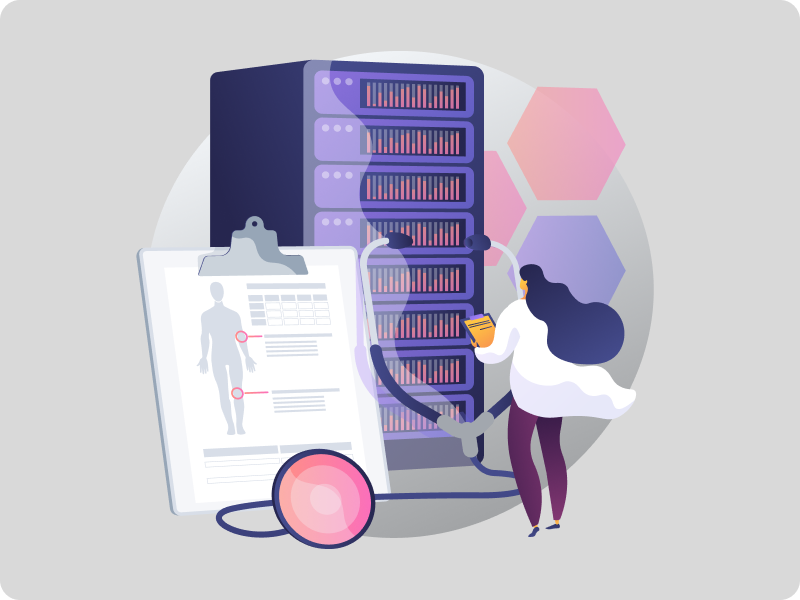
In modern hospitals, lab reports guide some of the most important clinical decisions. A single test result can change a diagnosis, adjust a medicine or confirm that a patient is stable enough to go home. That is why an integrated LIMS, meaning a Laboratory Information Management System connected with the rest of the hospital workflow, has become essential for reliable diagnostics.
A LIMS is a digital system that manages and organizes laboratory work in a clear, structured way. It records samples from the moment they are collected, tracks each testing stage and stores results in an organized format so teams can access accurate information when needed. When it is integrated with clinical records and billing, it reduces manual work and helps the hospital move faster with fewer errors.
Why Integration Matters More Than Ever
Many labs still face a common problem where information is scattered across different tools and processes. Orders may come from one place, samples may be logged elsewhere and reports may be shared through separate channels. This leads to delays, repeated follow ups and avoidable mistakes. Integration solves this by connecting orders, samples, results and updates to the same patient record and workflow, so the lab and clinical teams stay aligned. What integration improves:
- It keeps test orders, sample details and results connected in one workflow.
- It reduces delays caused by manual handovers and missing information.
- It lowers the chance of errors like mismatched samples or incomplete reporting.
- It improves coordination between doctors, nurses, lab staff and billing teams.
- It reduces report chasing and repeated follow ups, so teams can focus on patient care.
Benefits of LIMS in Hospital Workflows
1. Smooth sample management: A LIMS logs samples at collection, assigns a unique ID and tracks movement across every stage. This prevents mix ups and keeps visibility clear even during peak hours.
2. Clear testing workflows: It guides technicians step-by-step through defined testing processes. This improves consistency, reduces missed steps and speeds up processing.
3. Provisional and final reporting: Results can be updated as tests progress, shared as provisional when needed and finalized quickly once complete. This supports faster clinical decisions.
4. Better communication across departments: Automated updates notify doctors when reports are ready and alert teams when actions or additional samples are needed. This reduces follow ups and delays.
5. Secure and organized records: All lab data stays safely stored in one system for easy access to past reports. It improves traceability, supports audits and reduces record mismatch risks.
Essential Features of an Integrated LIMS
Multi center management
If your hospital runs more than one branch or lab location, the LIMS should support all centres under one connected setup. Each centre can manage its daily work independently, while leadership gets a single view for oversight, standard processes and consistent reporting.
EMR integration
A well-integrated LIMS should connect directly with the clinical record system. Doctors should be able to raise lab orders from the patient record itself and view results in the same place once reports are ready. This reduces phone calls, repeated follow ups and manual data entry between departments.
End to end sample tracking
Sample tracking must be built for accuracy. The system should capture sample details at collection, assign a unique ID and show the status at every step such as received, in process, completed and reported. This clarity prevents confusion, reduces mix ups and improves turnaround time.
Explore JGDHealth’s integrated LIMS for faster reporting and fewer sample mix ups.
Provisional reporting support
In urgent cases, clinicians may need early findings before the final report is completed. A good LIMS should allow provisional results to be updated and shared securely, while still maintaining a clear final approval process once testing is complete.
In patient workflow linkage
For admitted patients, lab orders and reports should stay connected to the inpatient record and daily treatment plan. This helps doctors and nurses stay updated through the hospital stay, supports faster decisions and avoids missing critical results during rounds.
Indent request and approval flow
A strong system should include an internal request and approval process for tests and lab actions. This ensures proper verification, creates accountability and maintains a clear record of who requested, reviewed and approved each step.
Final Takeaway
An integrated LIMS is not just a lab tool. It is the backbone of modern hospital diagnostics that keeps every test connected to the patient journey, from the moment an order is raised to the moment a decision is made. Investing in an integrated LIMS is a practical step toward consistent quality and a better experience for both patients and staffs.