The Easy Wins: Small AI Features That Make a Big Difference
Artificial intelligence is steadily becoming a practical part of everyday healthcare. It is no longer a distant concept limited to technology companies. Today, AI is a practical and reliable tool that helps healthcare professionals work faster, improve accuracy and deliver a better experience to patients. As practices and hospitals adopt digital tools, an important question comes up: are you using AI in ways that make daily work easier?
AI is not designed to replace the clinical expertise of a doctor. Instead, it supports routine decisions, reduces operational pressure and handles repetitive tasks quietly in the background. These small improvements may seem simple, but together they create meaningful changes in how healthcare teams work and care for patients.
Understanding the Role of AI in Healthcare Practices
Healthcare organizations handle multiple responsibilities at the same time. Calls, appointments, records, reminders, billing, documentation and communication often compete for attention. These tasks consume valuable hours and can distract staff from delivering quality care.
AI helps simplify these processes through smart automation. It brings structure to everyday operations and reduces the need for constant manual coordination. With AI enabled systems, clinics and hospitals experience smoother workflows, faster communication and better use of clinical time.
Key Benefits of AI for Healthcare
-
Smarter call handling:
AI can analyze call context and emotional tone. This helps teams identify urgent calls and respond faster. Patients feel heard and supported, especially during critical moments.
-
Faster documentation:
AI based transcription converts spoken clinical notes into clear digital records. Doctors spend less time typing and more time focusing on diagnosis and patient interaction.
-
Improved patient experience:
Automated reminders, follow up messages and digital communication keep patients informed. Clear and timely updates improve trust and continuity of care.
-
Higher efficiency across teams:
Routine tasks like appointment reminders, call sorting and note preparation can be automated. This reduces workload, improves accuracy and supports smoother operations during peak hours.
-
Better clinical decision support:
AI helps organize patient data and highlights important details. This enables confident decision making supported by structured information.
Starter AI Tools for Your Hospital
-
Automated reminders:
Automated reminders notify patients about appointments, follow ups and medication schedules. This reduces missed visits and improves treatment adherence.
-
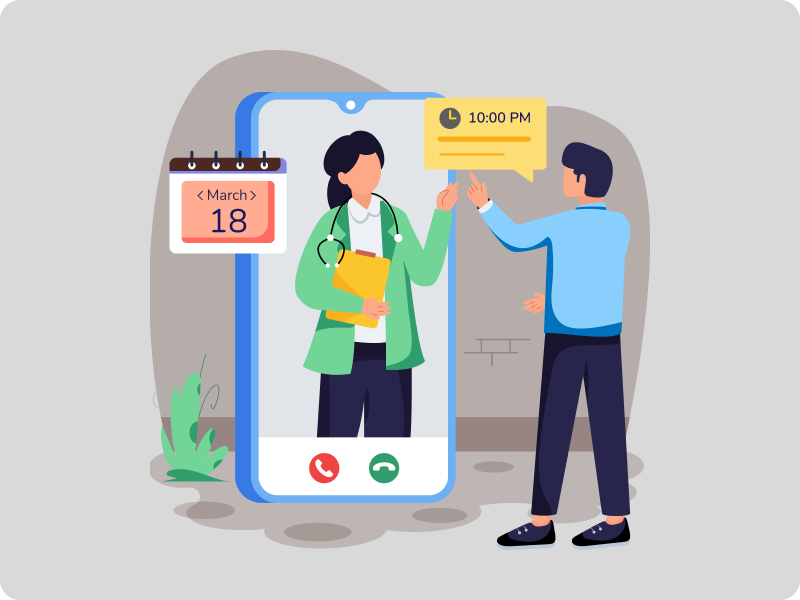
Auto scheduling:
AI assisted scheduling suggests suitable follow up appointments in advance. It keeps calendars organized and ensures continuity of care without manual effort.
-
AI transcription:
Transcription tools convert clinical discussions into structured digital notes. This reduces paperwork and allows doctors to stay focused on patient care.
-
AI tone analysis:
Tone analysis reviews incoming calls and identifies emotional stress or urgency. Calls that require quick attention are flagged for timely response.
-
Sentiment analysis:
This feature reviews feedback messages and reviews to understand patient satisfaction. It helps organizations address concerns early and continuously improve care quality.
-
AI chatbot:
An AI chatbot answers common questions on your website or patient app at any time. It reduces call volume and keeps communication consistent and accessible.
Is Your Hospital Ready for the Shift
Understanding whether your healthcare setup needs AI begins with reviewing daily operations.
- Look at where most time is spent. If calls, documentation, or reminders consume large portions of the day, AI can help.
- Identify delays or missed steps. Repeated gaps in follow ups or documentation indicate workflow challenges.
- Review information flow. If accessing patient history or reports feels slow, your data may need better organization.
- Assess patient communication. High call volumes and repetitive queries suggest the need for smarter systems.
- Observe staff workload. Frequent stress during peak hours points to inefficient processes.
- Consider growth plans. Expansion, multi-location operations, or teleconsultations require scalable digital systems.
Ready for the Next Chapter in Healthcare
AI adoption is not a passing trend. The future of healthcare will be guided by intelligent systems that support clinical expertise and operational clarity. Organizations that adopt AI early benefit from smoother workflows, stronger communication and better patient outcomes. The real question is not whether AI will become essential. It is whether your organization is ready to benefit from it today.
Discover AI powered solutions that support better care at every stage.